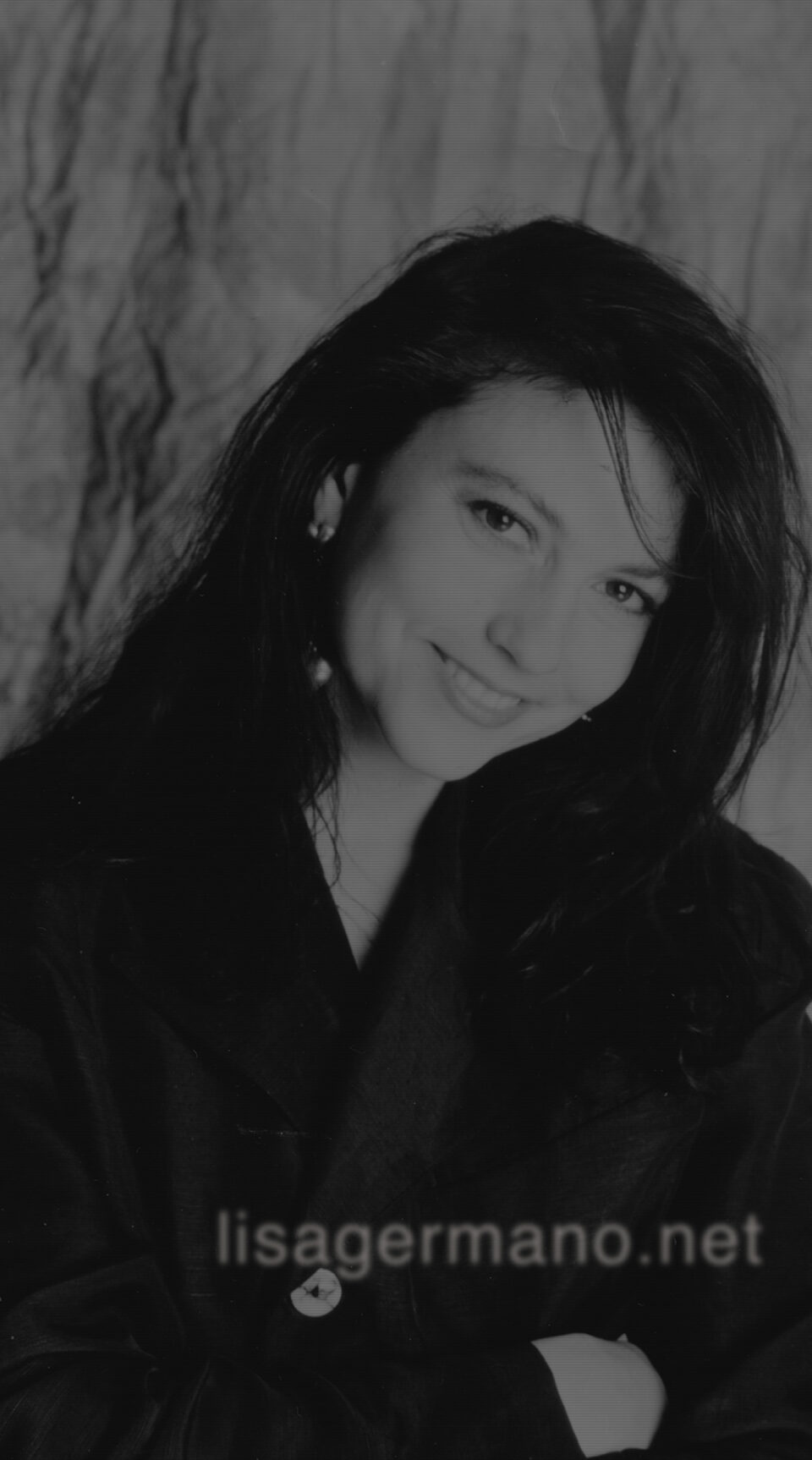




For much of her career, Lisa Germano has been introduced by what she isn’t: not a headliner, not a household name, not the kind of artist whose records sell in the numbers her talent deserves. What she is—a genuinely original songwriter and one of the more emotionally courageous voices in independent music—tends to come through most clearly in the records themselves.
Lisa Ruth Germano was born on June 27, 1958, in Mishawaka, Indiana, into a musically inclined Italian-American Catholic family. Her father, Rocco, was a professional violinist and conductor; her mother, Betty, was a music teacher. Both parents saw musical study as a form of self-discipline as much as artistic expression. In interviews, Lisa has recalled that her parents brought each of their six children into a room full of instruments and told them to choose one—with the understanding that they were expected to study it seriously and stick with it. Her first attempt at composition came even before she could play properly: at seven years old, she wrote a fifteen-minute piano opera, an early signal of a creative imagination that would drive her entire career.
Lisa chose the violin, and she took to it seriously, working through classical repertoire while popular music also began to make its mark on her. “In high school I was still in the beauty-mushy stage,” she told Muse magazine. “I loved James Taylor and Dan Fogelberg. I liked the Beatles. My brother would bring stuff like Janis Joplin or Steppenwolf home and we thought that was really cool but I would never go play that by myself.” By sixteen she was already playing fiddle in local bluegrass and rock and roll bands. She went on to pursue further musical study at Indiana University, where she refined her composition and performance skills in a more structured academic setting.
Around the age of twenty, Lisa was struck by a serious bout of depression that caused her to stop performing altogether. She described the period as rooted in “a pretty good self-hatred,” and credited the therapy that followed with helping her to eventually return to music. When she did come back, it was through local bar gigs and informal sessions around the Bloomington and Mishawaka area—including stints at the Little Nashville Opry, a country music venue where she played fiddle alongside local bands. It was in this context that her life changed.
The Mellencamp Years (1985-1993)
The connection came through John Mellencamp’s drummer, Kenny Aronoff, who knew Lisa from the local scene. When Mellencamp needed a violin player for a recording session, Aronoff recommended her. Mellencamp liked what he heard, and within days invited her to join his touring band for the Scarecrow tour in 1985. “I was just very lucky,” Lisa told Muse magazine. “I was playing violin at a country bar and I knew John’s drummer, Kenny. John wanted to put some violin on a song, and I was the only violin player that Kenny knew, so they called me to come and do it. John really liked what I did, I guess, so the next week he asked me to go on tour with him. It was pretty amazing.”
The invitation pulled Lisa from the small clubs of Indiana into some of the largest arenas in the country. The scale of it took some adjustment. The intensity of touring life at that level quickly weighed on her, and she entered therapy during this period—using songwriting increasingly as a personal coping tool and outlet for emotions she couldn’t otherwise process.
Her Mellencamp tenure spanned roughly eight years and had an enormous impact on both her technique and her standing as a musician. She contributed violin to several of his most celebrated albums—The Lonesome Jubilee (1987), Big Daddy (1989), Falling from Grace (1991), and Human Wheels (1993)—with The Lonesome Jubilee in particular showcasing her fiddle work most prominently across tracks like “Paper in Fire,” “Cherry Bomb,” and “Check It Out.” The album, with its embrace of fiddle, dulcimer, mandolin, accordion, and other roots instruments, helped define a new direction for Mellencamp that critics recognized as influential in the development of what would become alternative country. Germano’s violin was central to its sound.
The Mellencamp years also opened doors to session and touring work with other artists. During the 1980s, she appeared on albums by Simple Minds and the Indigo Girls, and contributed to sessions for Bob Dylan, Billy Joel, David Bowie, and others. Though her name rarely appeared prominently in promotional materials, her playing became a quietly indispensable part of the period’s most recognizable sounds.

By the early 1990s, Mellencamp was actively encouraging Lisa to pursue her own songwriting. The crucial catalyst came from an unlikely source: hearing Kate Bush’s 1985 album Hounds of Love. “Hounds of Love I thought was an amazing record,” she told interviewer Patrick Brennan. “It totally inspired me to make my own records. I always had these songs but I never finished them ’cause I thought they were too emotional.” Bush’s example—of a woman recording deeply personal music on her own terms, with full control over its emotional tenor—gave Lisa permission to take the plunge.
Solo Beginnings (1991-1993)
In 1991, Lisa self-financed and self-released her debut solo album, On the Way Down from the Moon Palace, through her own label, Major Bill Records—a name she chose with characteristic dry humor, referencing both what it cost to make and the label’s unofficial chief executive. Recorded in Indianapolis, it was a largely acoustic, folk-tinged collection that served as both her creative calling card and what she later described as a kind of elaborate demo. Without major distribution or promotion, sales were modest, but the album attracted enough attention to bring her to the notice of Capitol Records, who signed her and released Happiness in July 1993.
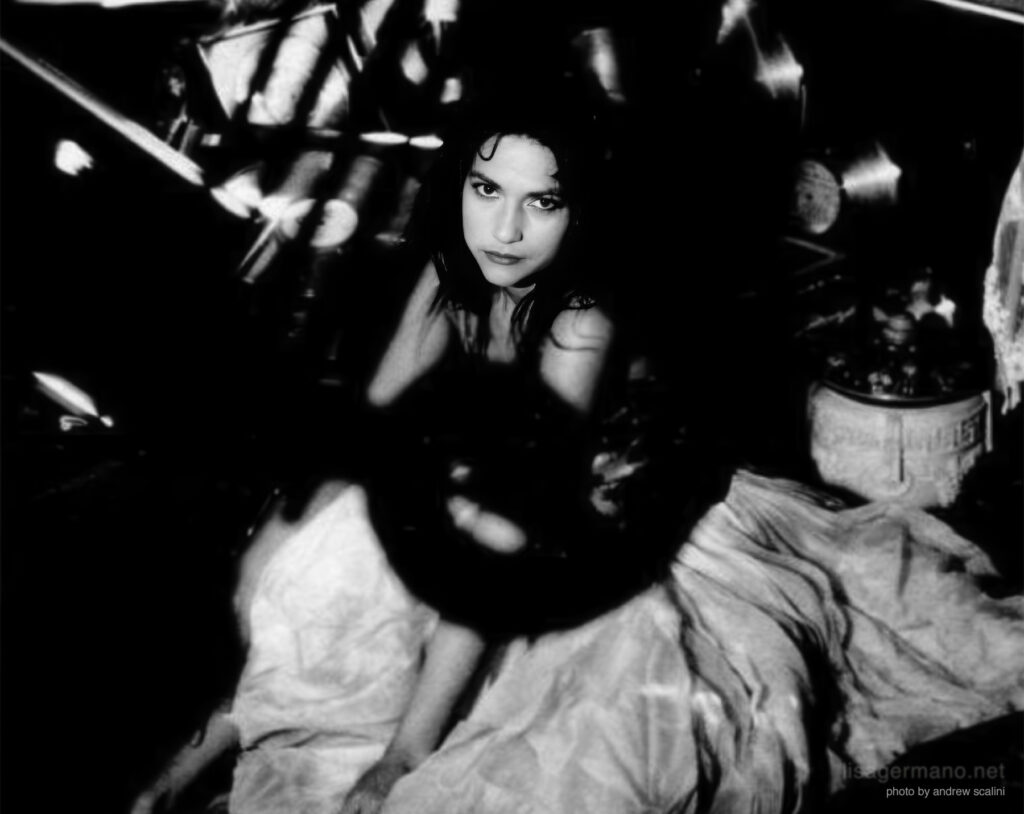
Happiness arrived just as a personnel shake-up at Capitol resulted in the departure of most of her supporters at the label. It received little promotion and, despite its quality, failed to find an audience through Capitol’s channels. Lisa lobbied successfully to have the rights to the album returned to her. Later that year, she signed with the British independent label 4AD, whose founder and president Ivo Watts-Russell was a genuine admirer of her work. Watts-Russell took an unusually hands-on approach to her first releases for the label, working with engineer and producer John Fryer—who had been involved with 4AD’s This Mortal Coil project—to remix several tracks from Happiness. In early 1994, 4AD issued the limited-edition EP Inconsiderate Bitch, featuring five of the remixed tracks; and in April of that year, Happiness was reissued in a substantially different form, with new artwork, new sequencing, remixed tracks, and two replacements, including the addition of “Destroy the Flower” in place of her cover of “These Boots Are Made for Walkin’.”
The 4AD Years (1994-1998)
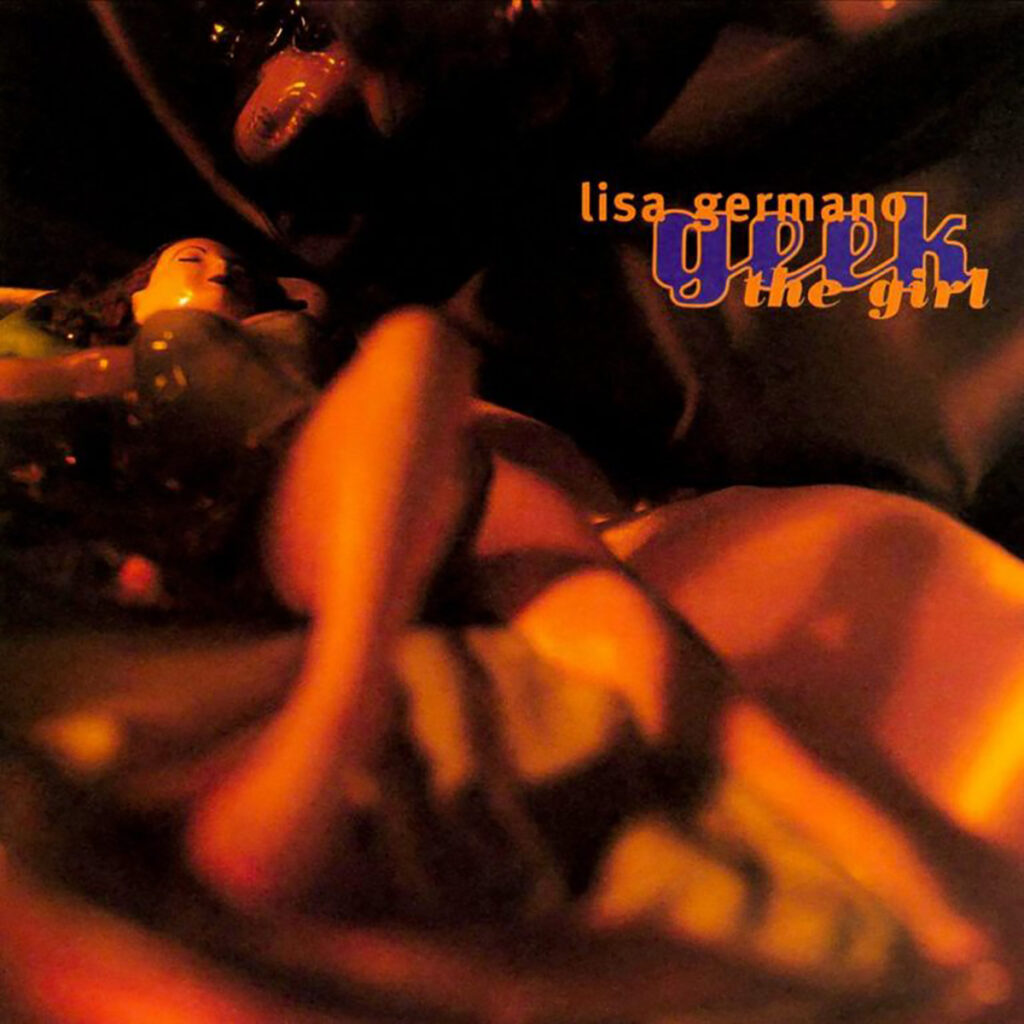
Later in 1994, Lisa released Geek the Girl, the album that would become her most celebrated and closely associated work. Recorded almost entirely at home and given an intimate, demo-like quality that proved inseparable from its emotional power, the album was a raw examination of trauma, isolation, self-perception, and fear. Most of its tracks featured only Germano’s own performances, though she later chose to remix four tracks with Malcolm Burn and added drummer Kenny Aronoff to some of those remixes. The track “…A Psychopath” incorporated audio from an actual 911 emergency call, which became the most discussed element of the album’s release. Geek the Girl earned significant critical recognition—Rolling Stone’s Paul Evans called it “a beautiful, wrenching album”—and it later appeared on Spin magazine’s list of the top albums of the 1990s.
Excerpts from a Love Circus followed in 1996. Broader in sonic palette than its predecessor, it incorporated whimsical samples, found sounds, and contributions from a large cast of musicians (including, famously, her cats Dorothy and Miamo-Tutti). Critics noted its somewhat brighter texture while recognizing that Lisa’s songwriting remained anchored in personal, emotionally complex terrain. Writing in Rolling Stone, Lorraine Ali observed that “Germano makes music so beautifully tragic and depressing that it seems nearly fatal,” while Jon Pareles in the New York Times wrote that her songs “seem to come from some drafty, echoey place, a sickroom or a haunted attic.”
In 1997, in a departure from her solo work, Lisa collaborated with Giant Sand’s Howe Gelb, Joey Burns, and John Convertino on Slush, released under the collective name OP8. The project had begun at Watts-Russell’s initiative—he had proposed that 4AD artists each find a collaborator for a three-song EP series—but when he scrapped the idea after hearing the results, the four musicians liked their work enough to continue on their own. They recorded a full album in approximately four more days at Wavelab studio in Tucson, Arizona, with Thirsty Ear Recordings stepping in to release it. The album was a critical success and introduced Lisa to a broader audience through a 1997 MTV Alternative Nation performance, but OP8 ended there — Burns and Convertino turned their energies to their other project, Calexico, and the collaboration was never revisited.
Slide, produced with Tchad Blake, arrived in July 1998. It was greeted warmly by critics as among her most accessible work, and represented a period of personal transition—Lisa had relocated from Indiana to Los Angeles, and the album reflected both that change and an upward shift in her emotional landscape. Sales, however, fell short, and the distribution deal between 4AD and Warner Bros. had ended, leaving the album with less promotional infrastructure than its predecessors. While on tour, opening for the Eels and then headlining smaller clubs, Lisa received word from 4AD that they were dropping her from the roster.
The Smashing Pumpkins episode also falls in this period. Billy Corgan had personally persuaded Lisa to join the band as a collaborator for the Adore tour, describing a role that went beyond mere session work. She rehearsed with the band for approximately four weeks in Chicago. But the situation inside the band was troubled—Corgan, D’Arcy Wretzky, and James Iha were in open conflict with each other and barely communicating. When Lisa was subsequently presented with a contract containing clauses that would have prevented her from releasing her own scheduled record, she declined to sign it, and her involvement ended. “That was a bunch of young kids being powerful and not being respectful of anything,” she said of the experience in a later interview. By the end of 1998, she announced she was done with the music business and fired her management.
Withdrawal and Return (1999-2003)

Despite her declaration, she did not disappear entirely. In 1999 she performed in Toronto, and she continued writing. For a stretch of years, her income came primarily from her day job at Book Soup, the bookstore on the Sunset Strip in West Hollywood where she worked on and off for approximately five years. She later described the period as necessary—a way to recover from years of touring, label pressures, and accumulated emotional exhaustion. “I’ve stripped away my life so I just live in a room,” she told one interviewer around this time.
It was through Book Soup that she reconnected with the music world, meeting veteran producer Tony Berg, who was familiar with her catalogue and encouraged her to record again. Berg had co-founded Ineffable Records—billed as a “creative collective”—with ARTISTdirect CEO Marc Geiger. Lisa was the first act signed to the label’s roster.
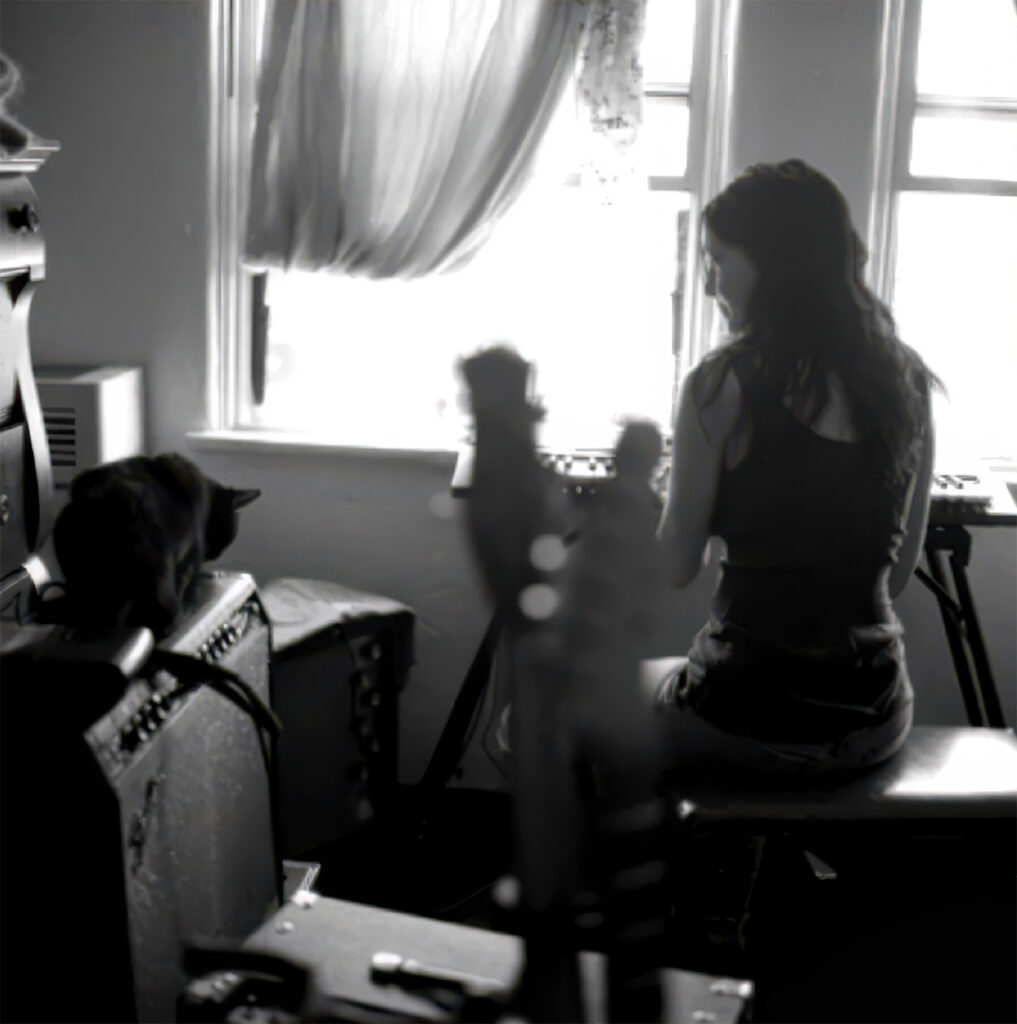
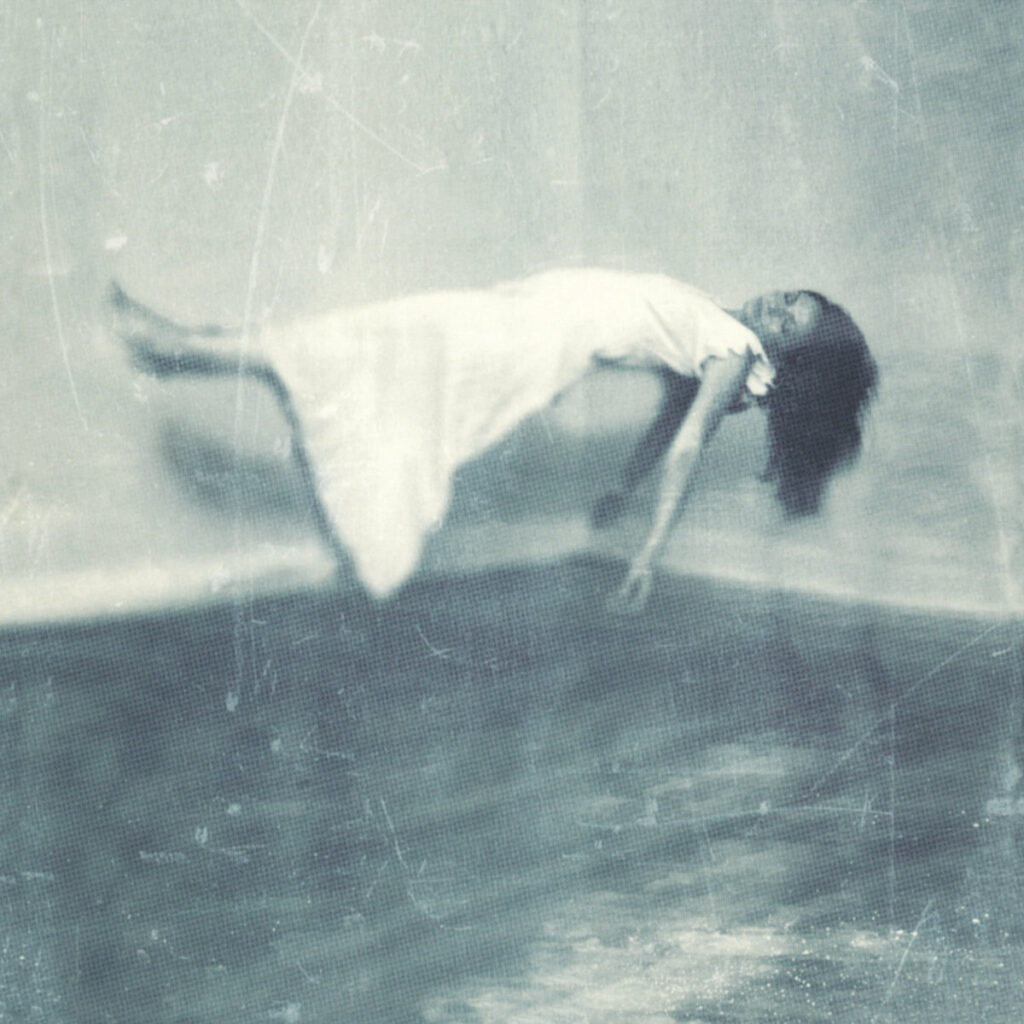
Working from home, as had become her practice, she recorded Lullaby for Liquid Pig by herself, then used ProTools to send tracks to collaborators at a distance—a practical solution to the financial constraints that prevented in-person recording. Neil Finn (Crowded House), Johnny Marr (The Smiths, Modest Mouse), and Wendy Melvoin (Wendy and Lisa/Prince) all contributed from afar. Released in 2003, Lullaby for Liquid Pig was her most explicit and unflinching meditation on loneliness and the self-deceptions of addiction, and received some of the best reviews of her career. When almost her entire advance was consumed by veterinary bills for her ailing cat, Miamo-Tutti, it became one of the more characteristically Lisa Germano moments of her biography.
Ineffable Records subsequently shut down, leaving Lisa without a label again.
Young God Records and Later Work (2006-2013)
Three years later, Michael Gira of Swans — a longtime admirer of her work — invited Lisa to release through his Young God Records imprint. In the Maybe World arrived in 2006, a stripped-down and quietly hopeful meditation on mortality, death, and acceptance — inspired in part by the imagined death of her father and, in a less imagined sense, by the actual death of her cat. Young God also reissued Lullaby for Liquid Pig in 2007 with a bonus disc of live recordings and demos, featuring between-song banter that highlighted, for those who hadn’t seen her live, the wry, cat-obsessed, acutely funny side of her personality that her records only hinted at.
Magic Neighbor followed in 2009, again on Young God, with production by Jamie Candiloro. In a 2013 interview with Guernica magazine, Lisa described it as “a collection of songs starting a new phase—the song ‘Painting the Doors’ says that. It’s about trying to be less attached to the past and opening doors to new stories.”
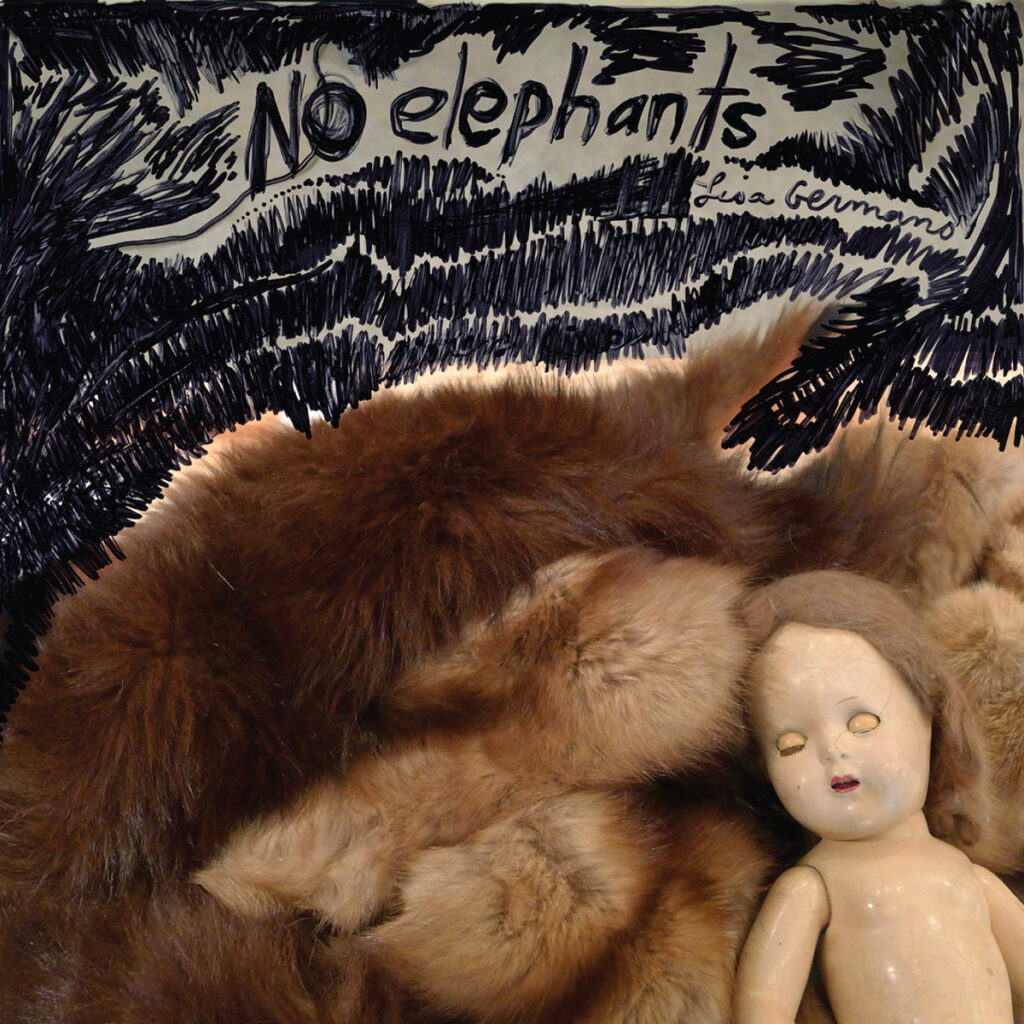
Her most recent album, No Elephants, was released in 2013 on Badman Recording Co.—a label Lisa chose partly for its founder Dylan Magierek’s commitment to tangible, physical music in an era she viewed skeptically. In her Guernica conversation, she was direct about her unease with the direction of the music industry: “I rather hate the whole digital world concerning music—nothing to touch, too many songs and no thread, no artwork etc.” No Elephants, thematically the most outward-facing of her albums, engaged directly with environmental consciousness, the silencing of non-human life, and what she described as the distorting effects of technology on human attention and connection.
Around this period, she also contributed violin to Neil Finn’s 7 Worlds Collide project (2001, 2009) and appeared on David Bowie’s Heathen (2002), among other collaborations, keeping her engaged with a broader artistic world even during quieter stretches.
Full-Circle Return (2022-Present)
In 2022, after nearly three decades away from the Mellencamp fold, Lisa rejoined his band. She appeared on the Live and In Person tour beginning in 2023—the first time she had toured with him since the early 1990s—drawing standing ovations from audiences who recognized the significance of her return. She also contributed violin to his studio album Orpheus Descending (2023), making it the first Mellencamp studio recording she appeared on since Human Wheels in 1993.
The reunion was received warmly by critics and fans alike. Reviewing a Chicago Theatre performance, the Chicago Sun-Times noted that her return “brought a full-circle moment at a time that feels like the American treasure is reflecting on the legacy he will leave behind.” She has continued to tour with Mellencamp into 2024.
Throughout her career, Lisa has resisted easy categorization. Her music draws on folk, classical, dream pop, experimental rock, and the atmospheric edges of ambient music, wrapped in lyrics of startling emotional candor—songs about depression, loneliness, desire, self-image, addiction, the natural world, and the textures of ordinary pain. She has described her hope for that kind of confessional writing as reaching something universal, even in its most nakedly personal moments. “When you write really, really personal things,” she told one interviewer, “your hope is that it reaches a certain thing that everybody feels, becomes a universal thing.”
Though commercial success has largely eluded her, her influence on a generation of independent artists who value vulnerability, intimacy, and emotional honesty has been substantial. And her body of work—nine solo albums across more than three decades, plus an extraordinary breadth of session and collaborative contributions—remains one of the more distinctive and durable outputs of her era.