



It’s about wanting someone else to take care of you. It’s a great feeling, but it’s not really a good thing. When you don’t have to take of yourself and face some crap, it’s a lot easier. But really, it’s not good.
Lisa Germano from “On the Edge” / Westwood One Entertainment (est. 1993-1994)
Released in 1993, You Make Me Wanto Wear Dresses was the promotional single Capitol Records circulated to radio stations ahead of Happiness, Germano’s second album and her major-label debut. The single was never commercially released; it served a purely functional purpose: getting a track to radio programmers in the hope that the label had identified something workable.
The choice was deliberate and revealing. Of all the tracks on Happiness, “You Make Me Wanto Wear Dresses” was the most legible within Capitol’s vision of Germano: folk-inflected, melodic, rooted in the fiddle-forward Americana adjacency the label had signed her to represent. It was, as the Pause & Play interview from this period confirms, the result of a direct negotiation between label and artist. Capitol wanted something more pop-like. Germano agreed to record a revised version as a compromise, on the condition that her original album take remained on the record. The promo single carries that second, more polished version: a radio mix remixed by Don Smith, slightly shorter and more conventionally shaped than the album cut.
Background
Capitol’s interest in Germano had always been entangled with a specific image. As the mimsyfarmerfanclub retrospective on the Happiness era described it: they saw a violinist who had toured with John Mellencamp and written her own rootsy folk songs—a promising artist with a rough-around-the-edges debut, but one who might be shaped into something marketable. What they got instead was considerably stranger and more interior. Happiness, recorded across multiple studios with producer Malcolm Burn at Kingsway in New Orleans among other locations, was not the record Capitol had imagined. It sat somewhere between folk, dream pop, dark humor, and self-examination—none of which translated cleanly to a format.
“You Make Me Wanto Wear Dresses” was as close to a conventional hook as the album offered. The PopMatters retrospective on the two versions of Happiness called it “borderline Americana, with echoes of Mellencamp and celebrations of ‘wide, wide open spaces'”—noting, a little drily, that this was the most conventionally accessible sound on the record. Capitol pushed it as the single. Germano went along with the radio remix, but held the line on her original version remaining on the album. “I really like the version that’s on the album,” she told Pause & Play. “To me, it’s kinda off, like the bass and the guitar and the violin are all completely out of tune, but when it’s all mixed together, it’s got a nice feel.”
That distinction—between a song that Capitol heard as a radio candidate and a song Germano heard as intentionally off, pleasingly out-of-tune—captures the whole tension of the Capitol period in miniature.
Themes
Germano’s own description of the song is both concise and layered: “It’s about wanting someone else to take care of you. It’s a great feeling, but it’s not really a good thing. When you don’t have to take care of yourself and face some crap, it’s a lot easier. But really, it’s not good.”
The title’s spelling—”Wanto” rather than “Want To”—is deliberate, though it’s been consistently ignored in press coverage. It’s a small but characteristic move: collapsing two words into one, introducing a slight wrongness into a phrase that sounds almost cheerful on the surface. The song’s subject is the appeal of dependency, the comfort of surrendering agency, and the recognition that this comfort is not actually comfort at all. It’s a trap that feels like warmth.
The PopMatters retrospective hears in the song something the Capitol framing entirely missed: “those spaces do not seem strictly autobiographical—they appear to be both personal and public.” The “wide, wide open spaces” the lyrics invoke aren’t freedom so much as escape fantasized from a position of constraint. The song is close in spirit to the broader Happiness project, which tracks what Germano called the attempt to love someone while navigating the pressures and self-erasures that process can entail.
When 4AD remixed the song as “(Late Night) Dresses” for the Inconsiderate Bitch EP, the title change itself made the reframing explicit: it’s no longer a daytime aspiration but a late-night thought, something that arrives after the lights go out. The mimsyfarmerfanclub retrospective described what Watts-Russell and Burn did sonically: pushing Germano’s vocals to the front, removing most conventional instrumentation except for the repeated violin melody, and replacing the standard rhythm arrangement with a bubbling, channel-bouncing drum sequence. The result is intimate and somewhat disorienting—less a pop song about wanting something and more an interior experience of that wanting.
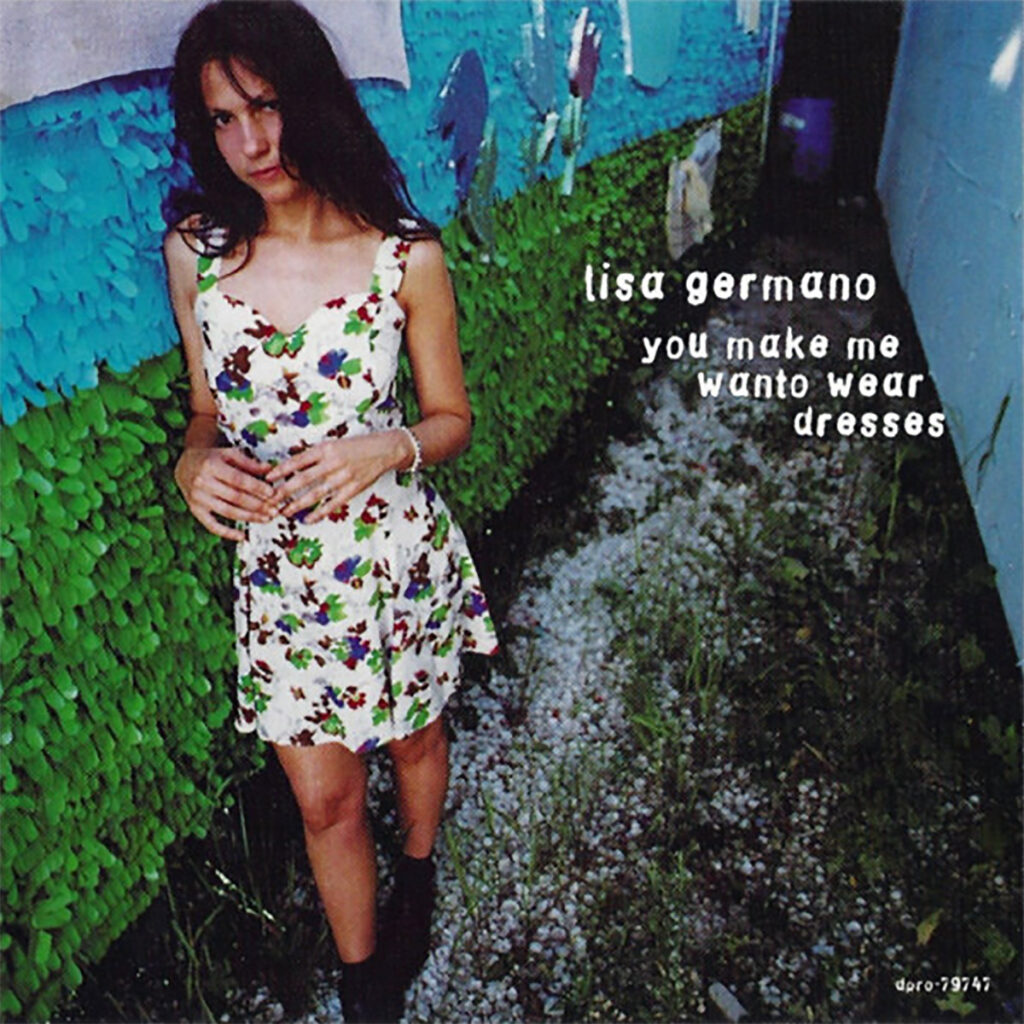
Released: 1993
Label: Capitol Records
Format: CD
Catalogue No: dpro-79747
Country: US
Availability: Extremely Rare
| No. | Title | Length |
|---|---|---|
| 1 | You Make Me Wanto Wear Dresses (Radio Version) | 2:57 |
“You Make Me Wanto Wear Dresses” was produced by Malcolm Burn and recorded primarily at Kingsway Studio in New Orleans, the studio owned by Daniel Lanois that Burn used as a base throughout this period. Kingsway was known for its immersive, atmospheric approach to recording. Burn and Lanois had developed a production sensibility there that favored organic sound and spatial intimacy over conventional polish. The album version of the song carries that quality: the instruments are, as Germano describes them, “all completely out of tune,” but deliberately so—it’s a textural choice rather than a flaw.
The radio version on this promo single was remixed by Don Smith (1951–2010), an LA-based engineer whose credits across the late 1980s and early 1990s included the Rolling Stones’ Voodoo Lounge, Keith Richards’ solo records, Tom Petty, Bob Dylan, Talking Heads, the Traveling Wilburys, and U2. Smith was an experienced hand at exactly what Capitol needed: bringing a track into commercial focus without stripping it entirely. The radio version runs at 2:57, somewhat shorter than the album cut, and presents the song with a cleaner, more forward mix. Mastering was handled by Greg Calbi at Sterling Sound in New York—not his later work with Germano at Masterdisk (where he mastered Geek the Girl and the Cry Wolf single), but the same engineer, demonstrating the continuity in Capitol’s technical infrastructure for the release.
The personnel listed on the single credit drums and tambourine to Giles Reaves, and guitar to “Jay”—presumably Jay Joyce, who played guitar on the Happiness sessions and co-wrote “Sycophant” with Germano. The Happiness Wikipedia entry identifies a track produced specifically by Jay Joyce and engineered at Champagne Studios in Nashville, situating him in the production orbit of the album beyond just performance credits.
Packaging & Design


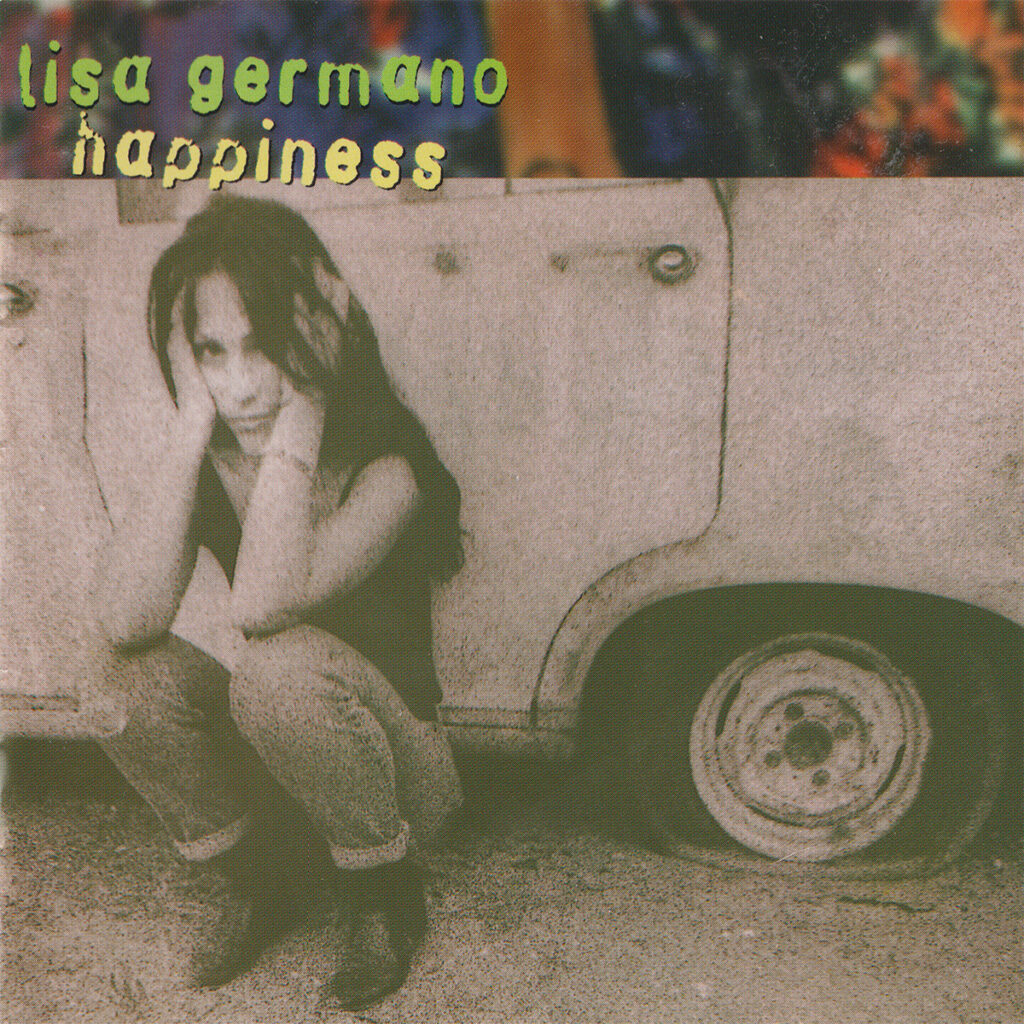
The single was released in a standard jewel case. The front cover photograph was taken by Bob Lanois—the older brother of producer Daniel Lanois, and a Canadian sound engineer, photographer, filmmaker, and abstract artist who had co-founded Grant Avenue Studio in Hamilton, Ontario with Daniel in the early 1970s. Bob Lanois’s photography appeared on albums by Emmylou Harris and Blackie and the Rodeo Kings, among others. His presence in the credits here connects the single to the broader Lanois production world: Malcolm Burn was a close Daniel Lanois collaborator who recorded Happiness at Kingsway, Daniel’s New Orleans studio, and Bob’s photography on the single extends that family network into the visual presentation.
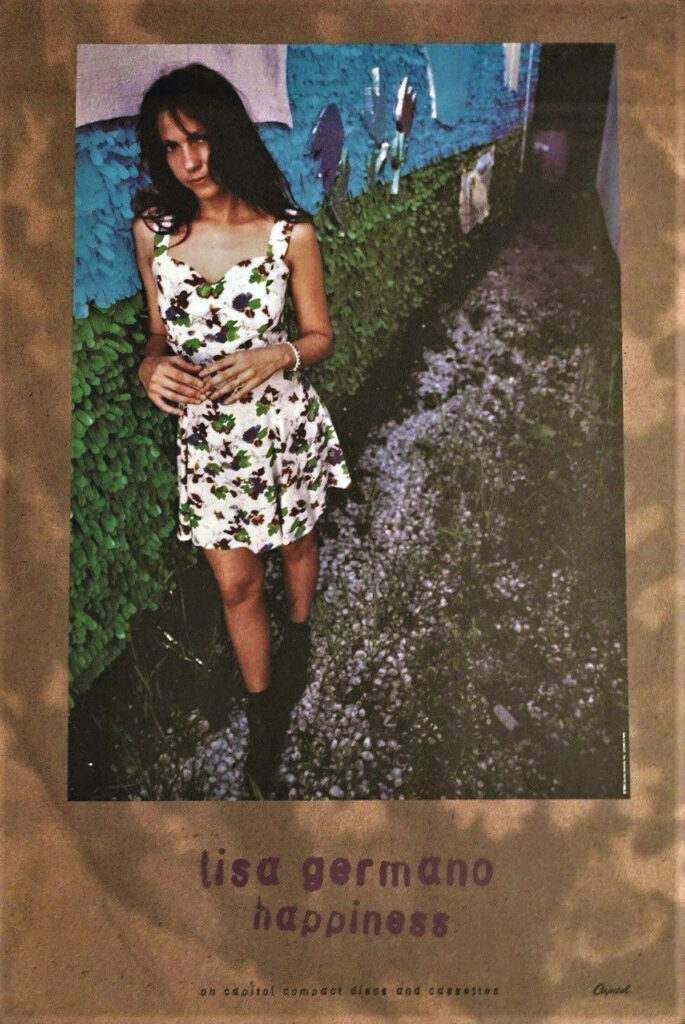
The photograph features Germano looking directly at camera, warmly lit, approachable. It was also used in the Happiness album jacket, cropped tighter with a text overlay. Capitol expanded it for a 20″ × 30″ promotional poster distributed to radio stations and record stores to market the album release. The same image, the same font used for the single’s text, the same design language throughout the promotional campaign: Capitol was trying to build a coherent visual identity for Germano that the music itself kept resisting.
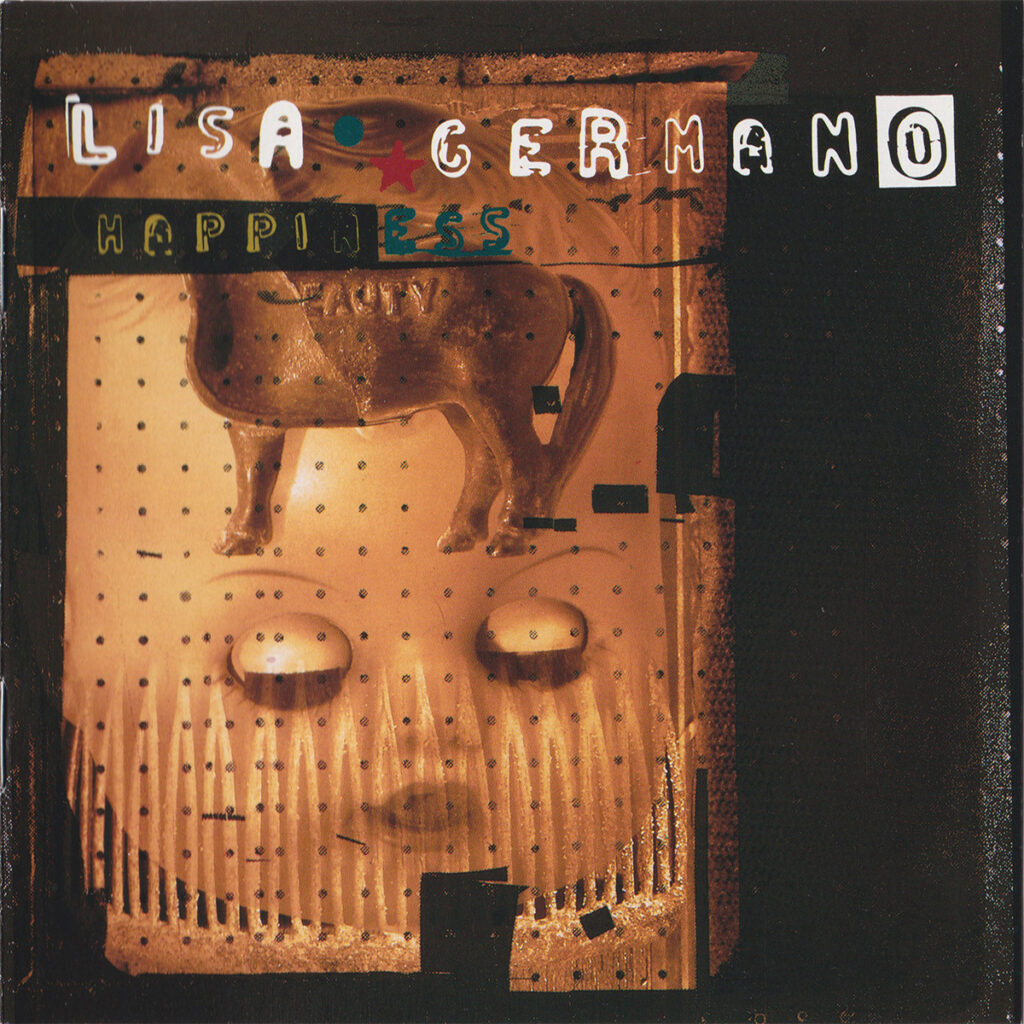
The back cover and disc carry standard Capitol promotional copy. The font used for artist name and title—Inkbleed—is the primary typeface for the Capitol version of Happiness as a whole.
No commercial single was ever released. The promotional CD remains extremely rare.
Video
A music video for the radio version was directed by Laura Levine—one of the most significant documentary photographers of the American indie and post-punk scene of the late 1970s and 1980s. Levine had photographed hundreds of artists, from the Ramones and the Clash to R.E.M., Bjork, and Madonna, and had been chief photographer and photo editor at New York Rocker from 1980 to 1983. Her photographs had appeared in the New York Times, NME, Trouser Press, Creem, and Interview. In the mid-1990s she transitioned into other visual work, including painting, illustration, animation, and music video direction—of which the Germano clip was a product.
The video is a direct expression of Capitol’s marketing vision for Germano: cartoon castle backdrops, a short skirt and rodeo outfit, insert shots of a different woman cinching a bustier and putting on a wedding ring. Romantic fantasy. It presents Germano as the alt-country pixie girl image the label had been projecting onto her since before the record was made. Levine’s directorial sensibility, so attuned to documentary intimacy in her photographic work, was here being deployed in service of a concept that ran counter to Germano’s actual artistic identity.
Version History
“You Make Me Wanto Wear Dresses” exists in four distinct versions across Germano’s discography:
Capitol album version (Happiness, 1993): Germano’s original take with instruments described by Germano as “all completely out of tune” but working as a unified texture. Track 2 on the Capitol sequence.
Radio version (this promo single, 1993): Remixed by Don Smith, slightly shorter at 2:57, more conventionally shaped for radio consumption.
“(Late Night) Dresses” (Inconsiderate Bitch, 1994; Concentrated, 2002): Remixed by Malcolm Burn. Vocals pushed forward, most conventional instrumentation removed, replaced with a sparse violin melody and a channel-bouncing drum sequence. The most interior and disorienting of the three takes.
4AD album version (Happiness, 1994): Retitled “The Dresses Song” on the 4AD reissue and all subsequent releases. Repositioned to a different slot in the resequenced album, its meaning shifted by the new surrounding context.
Personnel
Written by Lisa Germano Published by Songs of Polygram International, Inc / Emotional Wench Music / Door Number One Music (BMI)
Produced by Malcolm Burn
Remixed by Don Smith
Mastered by Greg Calbi at Sterling Sound, New York, NY
Drums, Tambourine: Giles Reaves
Guitar: Jay [Joyce]
Photography: Bob Lanois
Art Direction: Paul McMenamin
Capitol Records, catalogue no. DPRO-79747
℗ 1993 Capitol Records
Related Releases